


_02.jpg)

_Palau_Nacional_-_National_Museum_of_Art_of_Catalunya.jpg)
.jpg)


.jpg)


Top picks
The best things to do in Barcelona
Gaudí, markets, viewpoints and beach bars — the essentials, plus the local favourites tourists miss.
10 min read
Top attractions
The places that have defined Barcelona for generations — and will for generations more. For each one: why it matters, how long to allow, whether to book ahead and how to get there.
Prices and opening hours change, so we link to each attraction's official site rather than quoting them. Planning a first trip? Start with our first-time visitor guide.
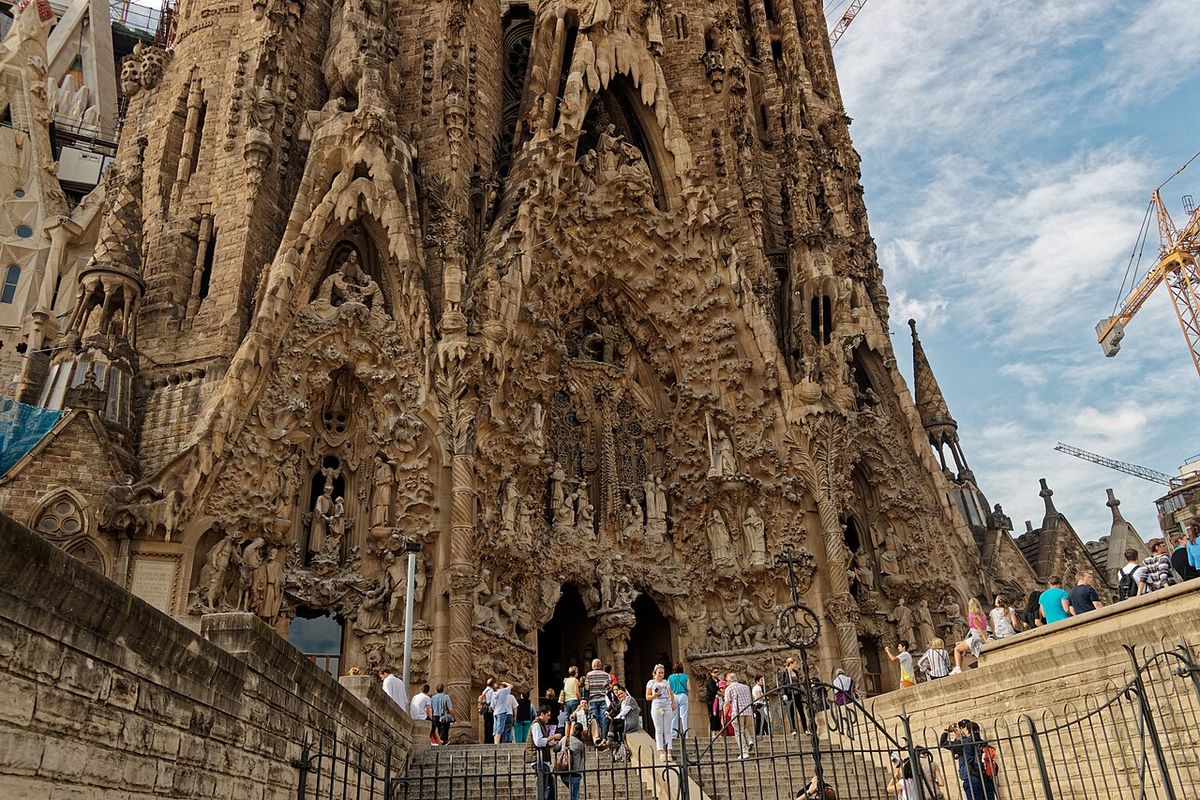
Photo: Txllxt TxllxT · CC BY-SA 4.0
Gaudí's extraordinary basilica, under construction since 1882 and the symbol of the city.
Nothing prepares you for the interior: a forest of branching columns lit by stained glass that turns the nave blue and green in the morning and red and gold in the late afternoon.
Local tip: Book a timed ticket online in advance — it sells out. Choose your visit time by the light you want to see.
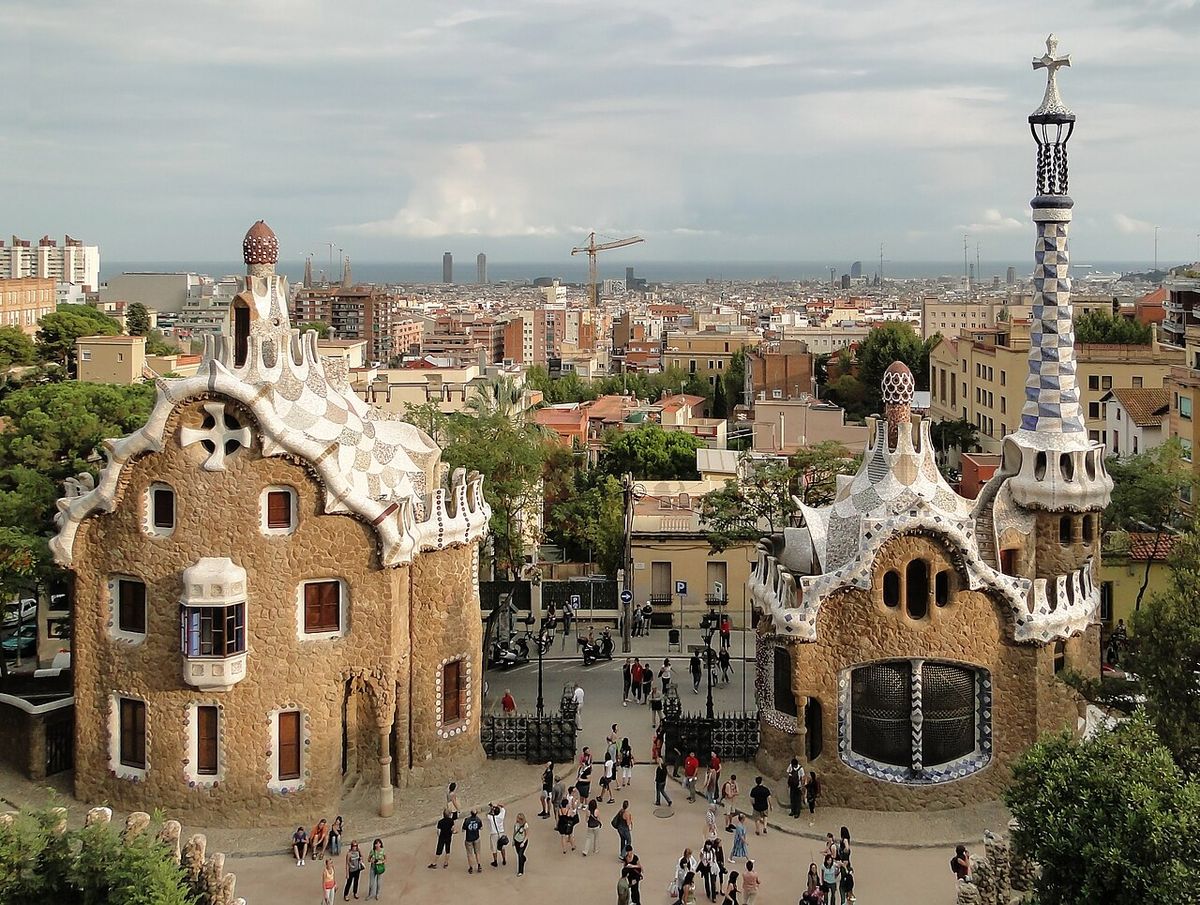
Photo: Bernard Gagnon · CC BY-SA 3.0
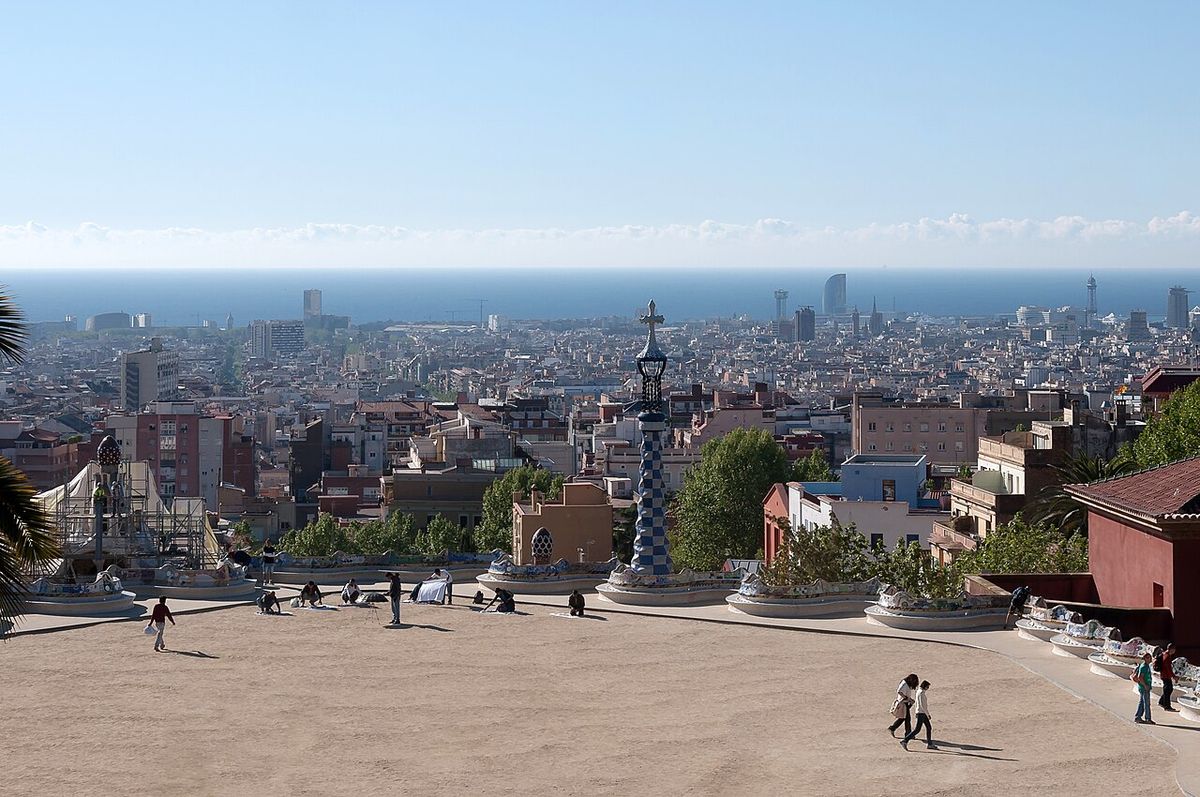
Gaudí's hillside park of mosaic benches, gingerbread gatehouses and city views.
The serpentine mosaic bench and the dragon on the steps are among the most photographed sights in Spain — and the views stretch to the sea.
Local tip: The monumental zone needs a timed ticket; the wider park and its viewpoints are free. It's uphill from the metro — wear good shoes.
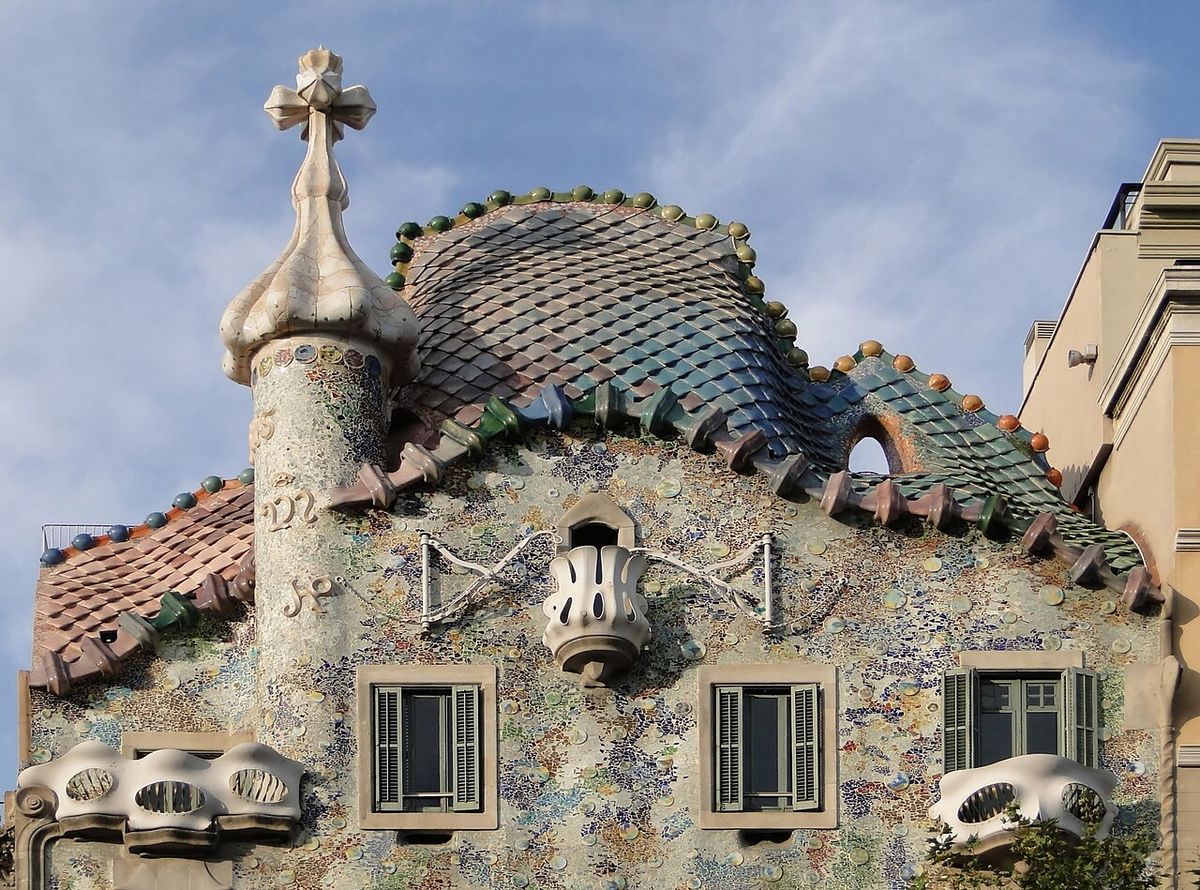
Photo: Bernard Gagnon · CC BY-SA 3.0
Gaudí's "house of bones", with a dragon-scale roof and a façade like a carnival mask.
The most theatrical of Gaudí's houses, inside and out: rippling ceilings, a blue-tiled light well and that unforgettable roof.
Local tip: If you only have time for one Gaudí house, choose between this and La Pedrera — they're a five-minute walk apart.
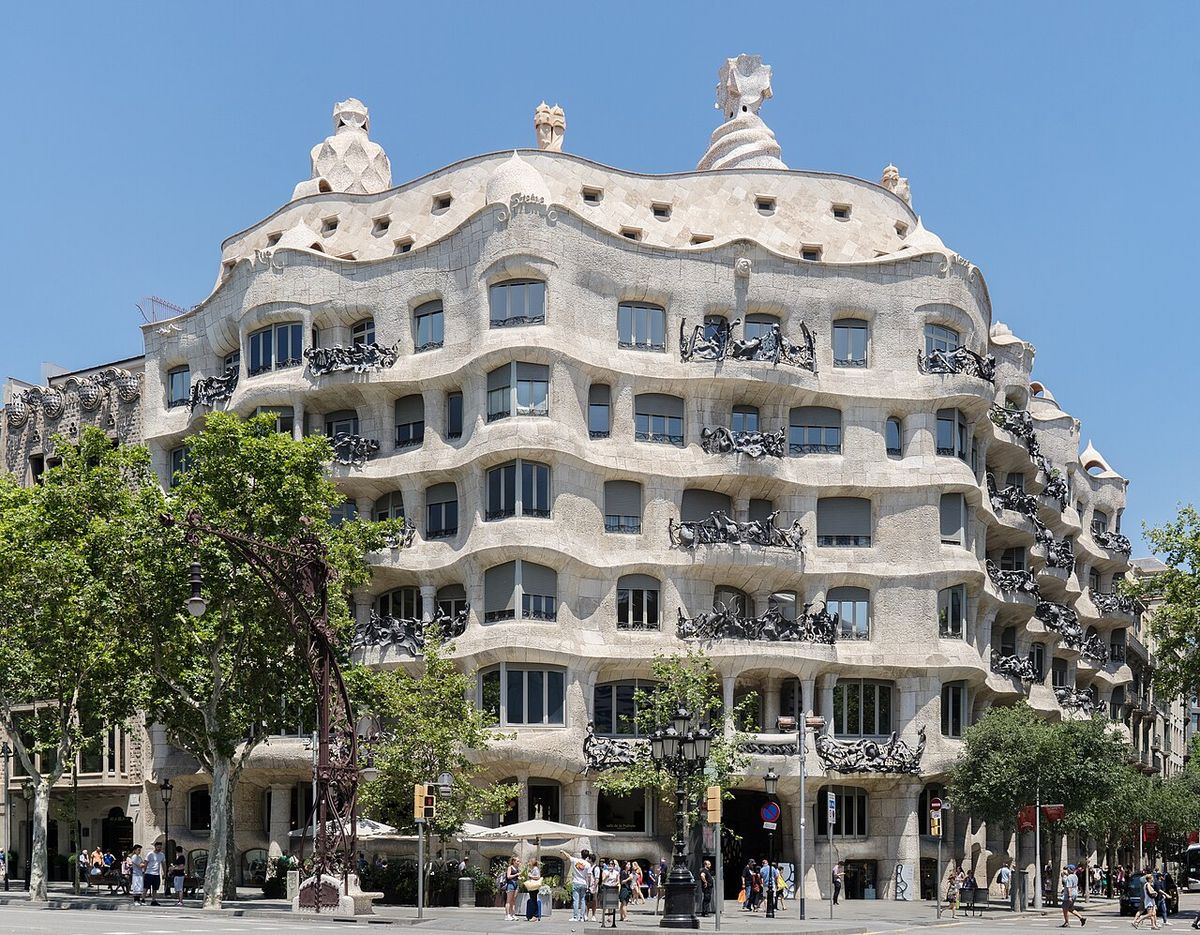
Photo: Thomas Ledl · CC BY-SA 4.0
Gaudí's wave-like stone apartment building, crowned by a rooftop of warrior-shaped chimneys.
The rooftop is pure sculpture, with views to the Sagrada Família, and the restored period apartment shows how wealthy Barcelona lived a century ago.
Local tip: Look out for evening visits on the rooftop — a memorable way to see it.
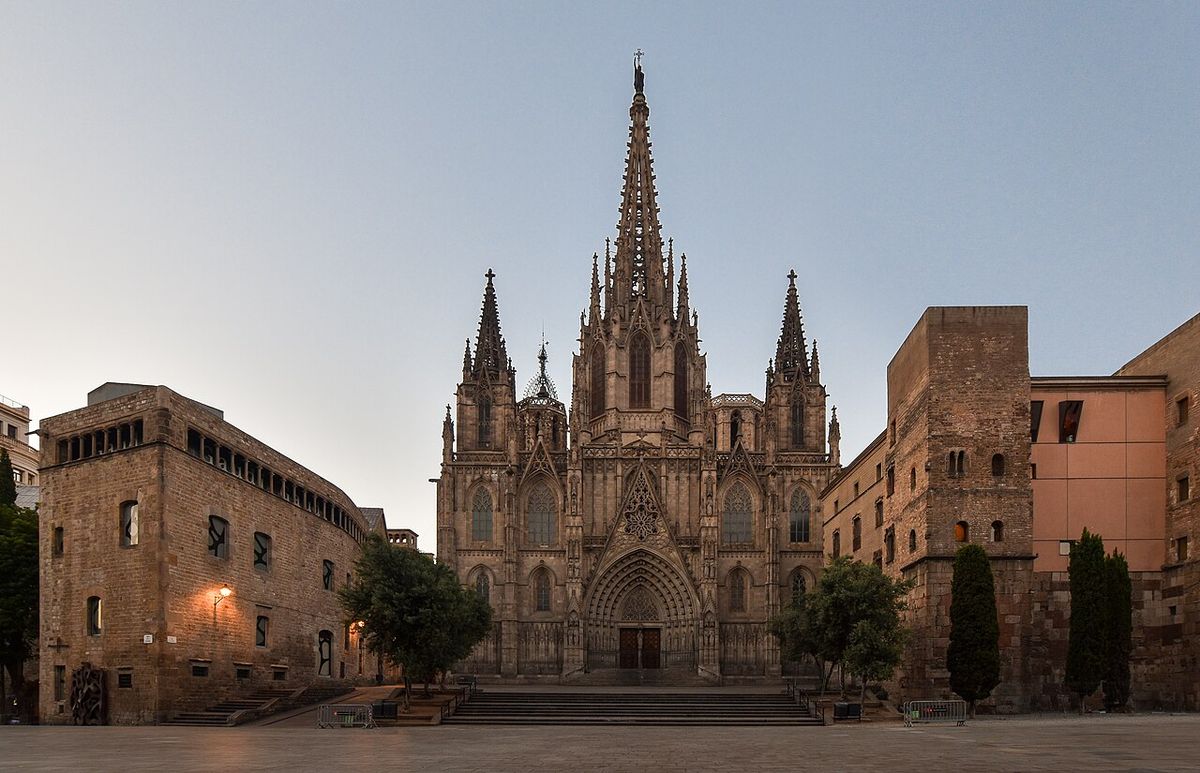
Photo: Jose María Ligero Loarte · CC BY-SA 4.0
The medieval heart of the city, built over Roman Barcino.
Narrow lanes, Roman walls, hidden squares and a Gothic cathedral whose cloister is home to thirteen white geese.
Local tip: Go early in the morning or after dark, when the crowds thin and the lanes are at their most atmospheric.
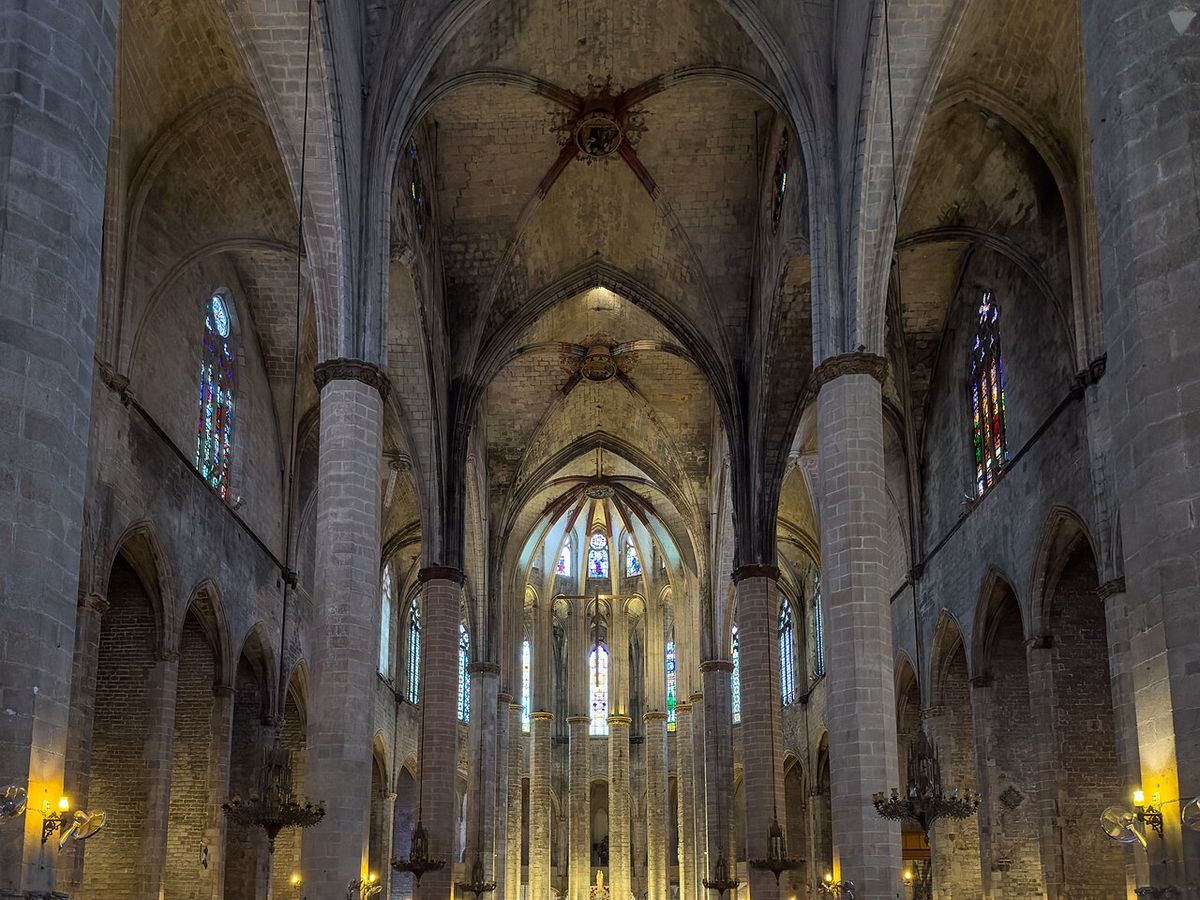
Photo: Kent Wang · CC BY-SA 4.0
The finest example of Catalan Gothic, built in just over fifty years in the 14th century.
Soaring, austere and full of light — a complete contrast to Gaudí's exuberance, and many locals' favourite church in the city.
Local tip: Combine it with the Picasso Museum and the lanes of El Born, all within a few minutes' walk.
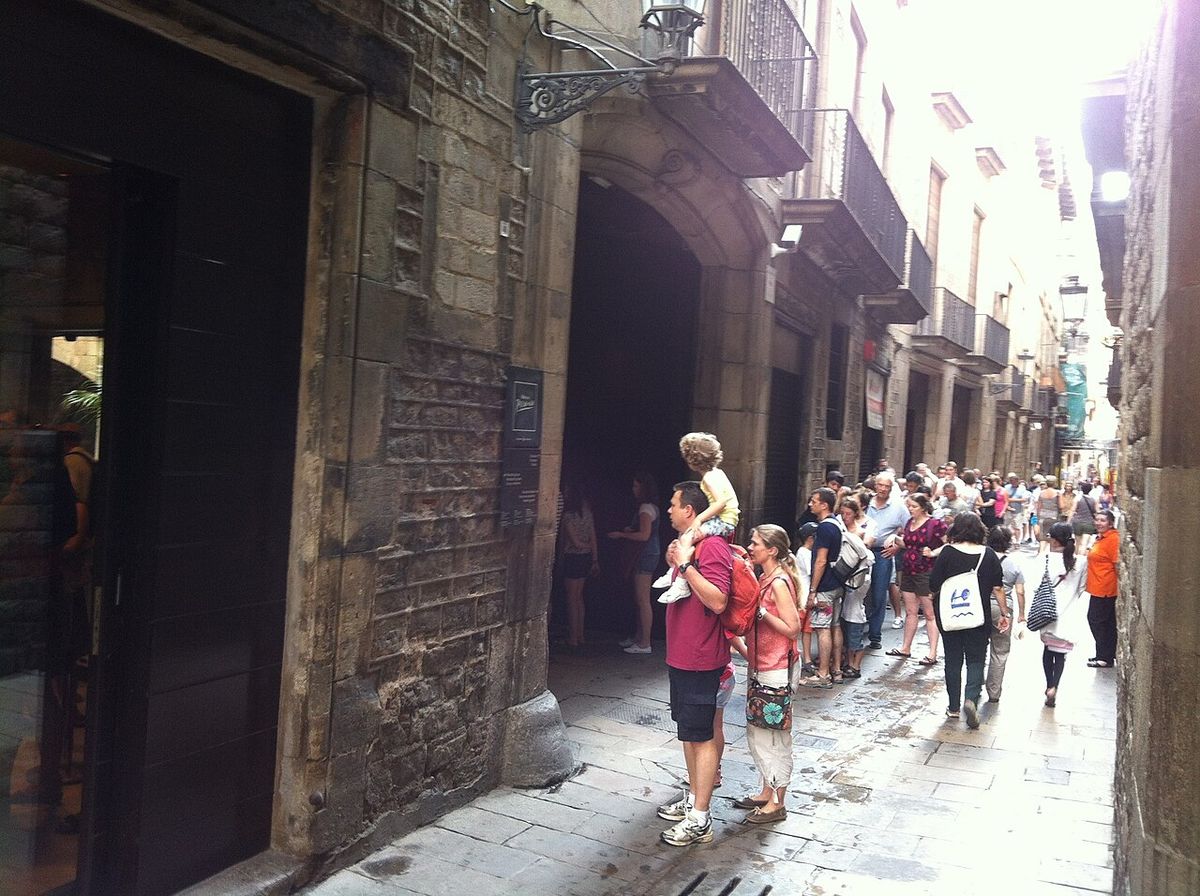
Photo: Kippelboy · CC BY-SA 3.0
A major collection of Picasso's work, set in five linked medieval palaces.
Especially strong on his formative years — including the years he spent in Barcelona — and his Las Meninas series.
Local tip: Book a time slot online; the museum offers free-entry times that also need booking.
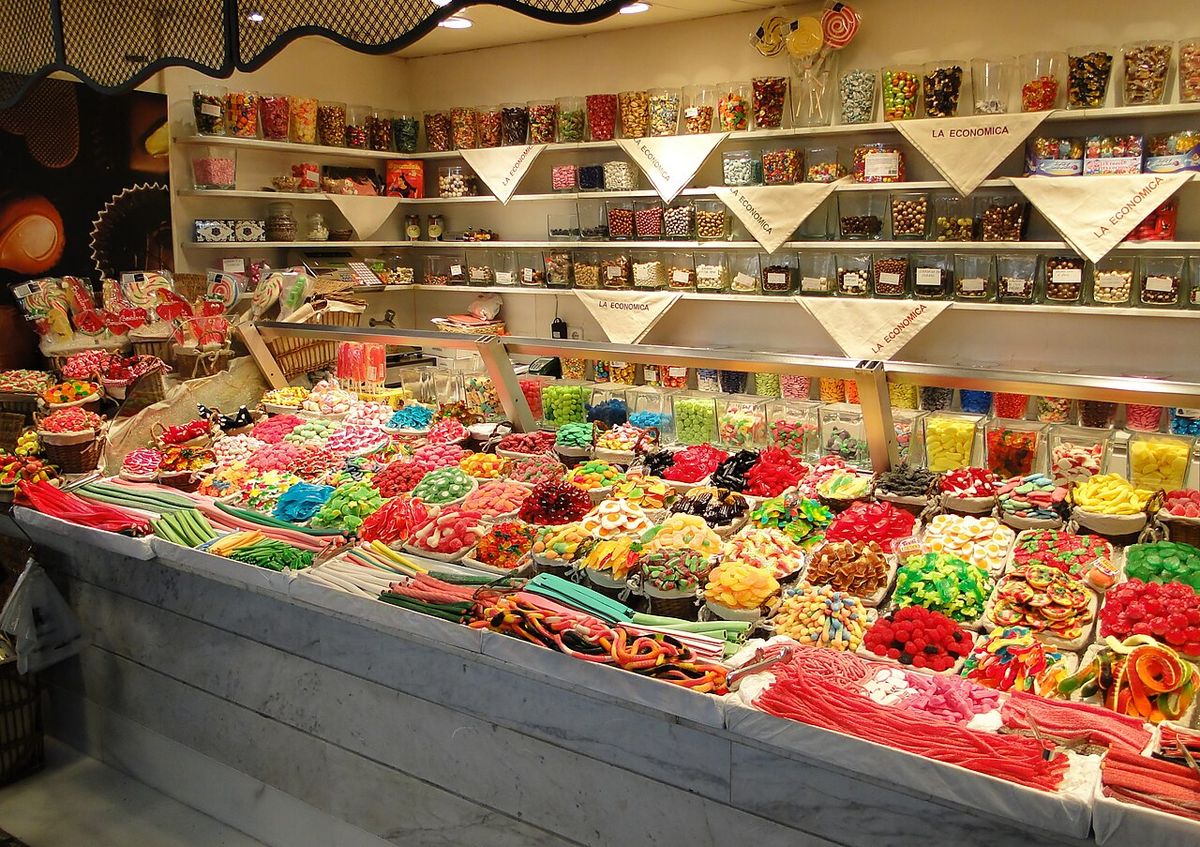
Photo: Bernard Gagnon · CC BY-SA 3.0
Barcelona's most famous food market, just off La Rambla.
A feast for the senses: pyramids of fruit, hanging jamón, seafood on ice and counter bars serving some of the freshest food in the city.
Local tip: Arrive early in the morning, eat at a counter bar, and watch your pockets in the crowds.
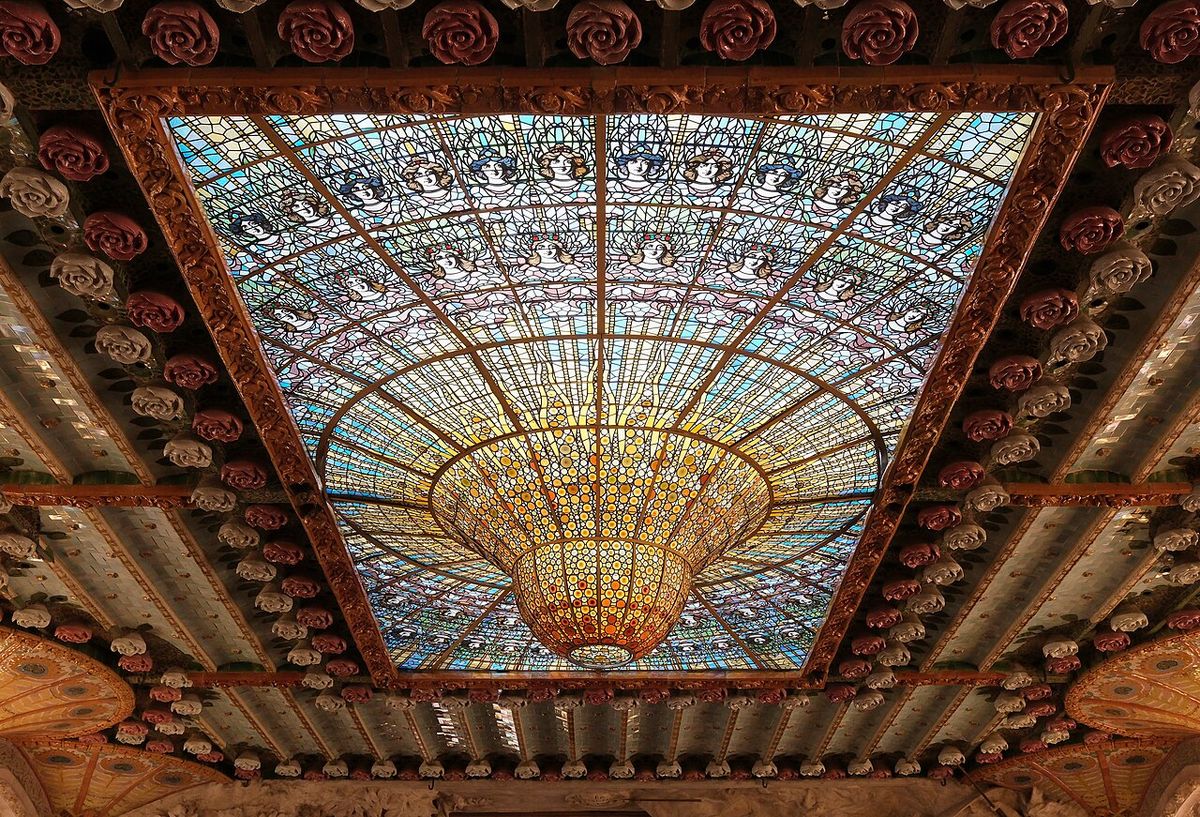
Photo: Alvesgaspar · CC BY-SA 4.0
A UNESCO-listed modernista concert hall with a breathtaking stained-glass skylight.
Perhaps the most beautiful concert hall in the world — mosaics, sculpted muses and an inverted dome of glass.
Local tip: A guided tour is good; a concert is better, and sometimes no more expensive.
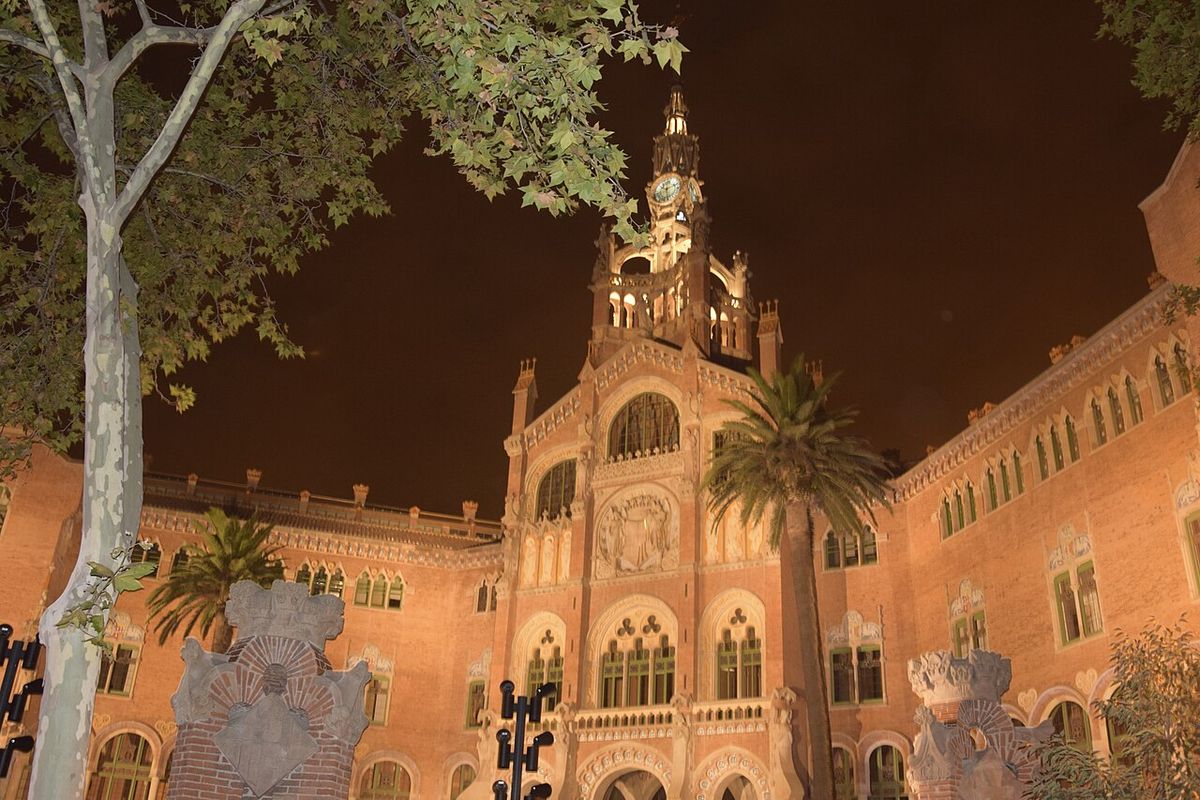
Photo: Ank Kumar · CC BY-SA 4.0
A former hospital of tiled, domed pavilions and gardens by Lluís Domènech i Montaner.
As beautiful as the Gaudí sites but far quieter — and a ten-minute walk up Avinguda de Gaudí from the Sagrada Família.
Local tip: Pair it with the Sagrada Família: walk up the avenue between the two.
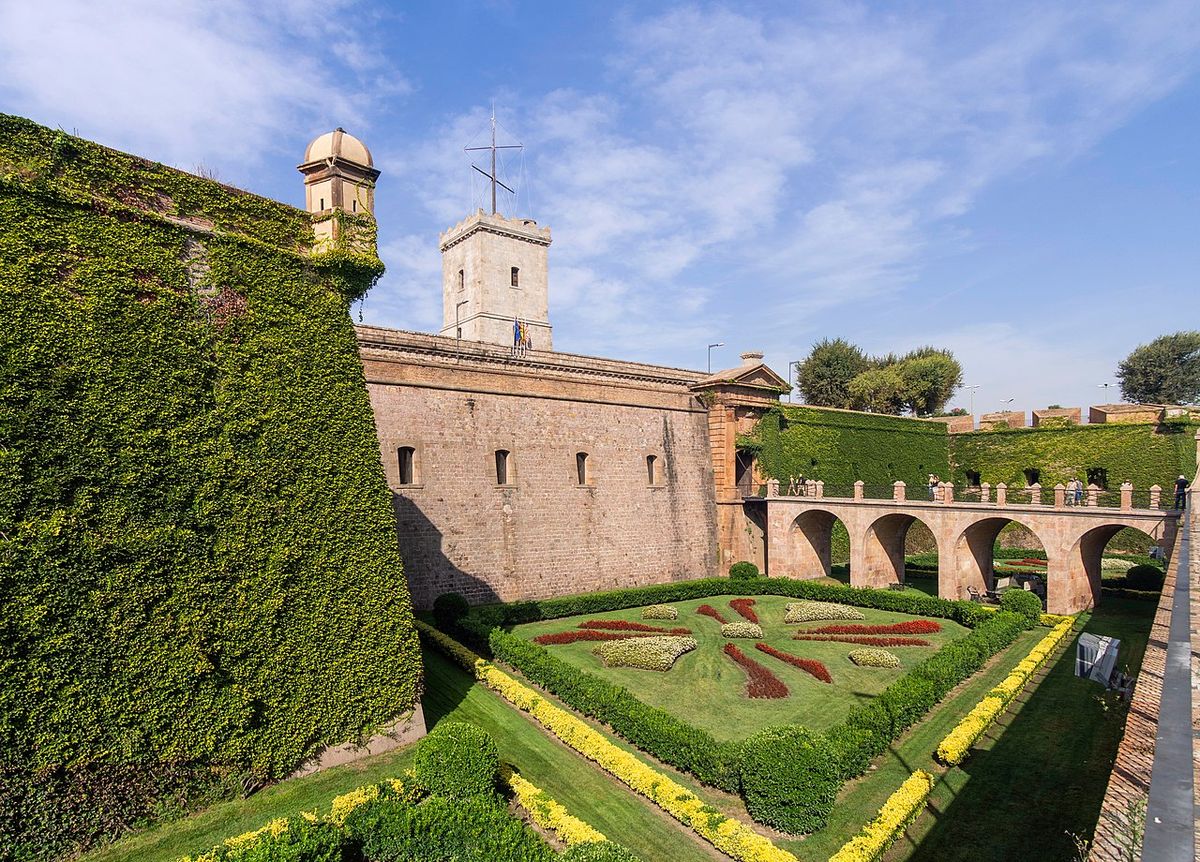
Photo: C messier · CC BY-SA 4.0
The green hill above the port: gardens, a castle, museums and the Olympic Ring.
A whole day out above the city — the castle and its views, the Olympic stadium, gardens, the Miró Foundation and the MNAC.
Local tip: Take the cable car or funicular up and walk down through the gardens.
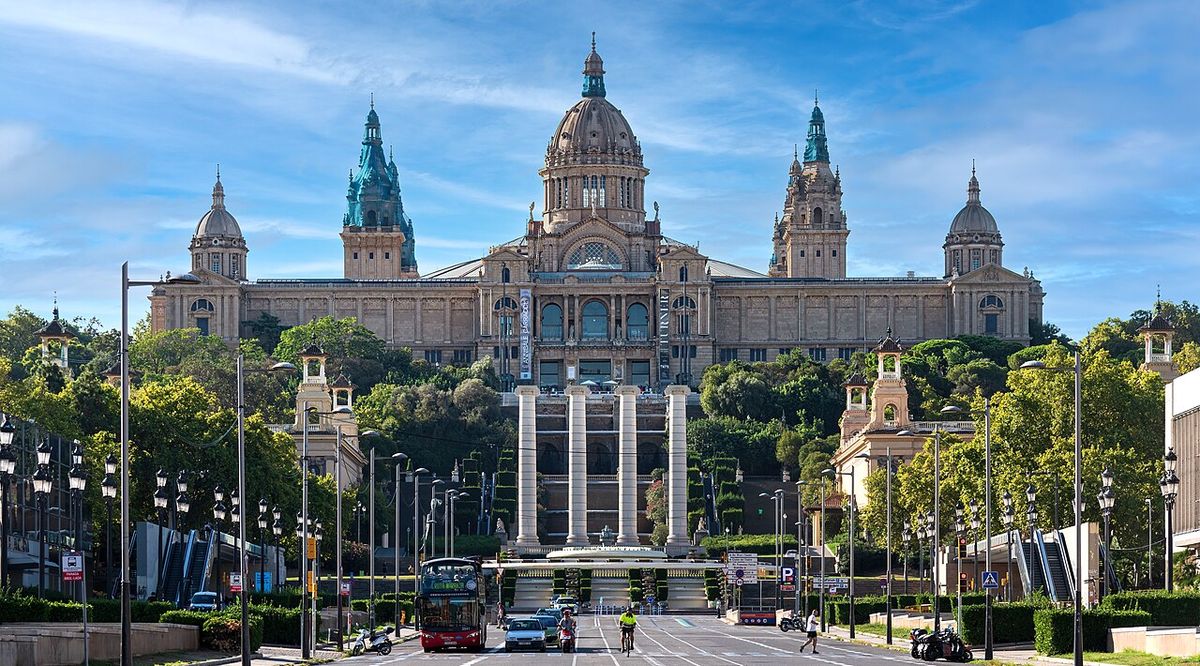
Photo: Didier Descouens · CC BY-SA 4.0
Catalan art across a thousand years, in the grand palace at the top of Montjuïc's steps.
Its collection of Romanesque church murals is world-class, and the view from the terrace down to Plaça d'Espanya is one of the best in town.
Local tip: Even if you skip the museum, climb the steps for the view at sunset.
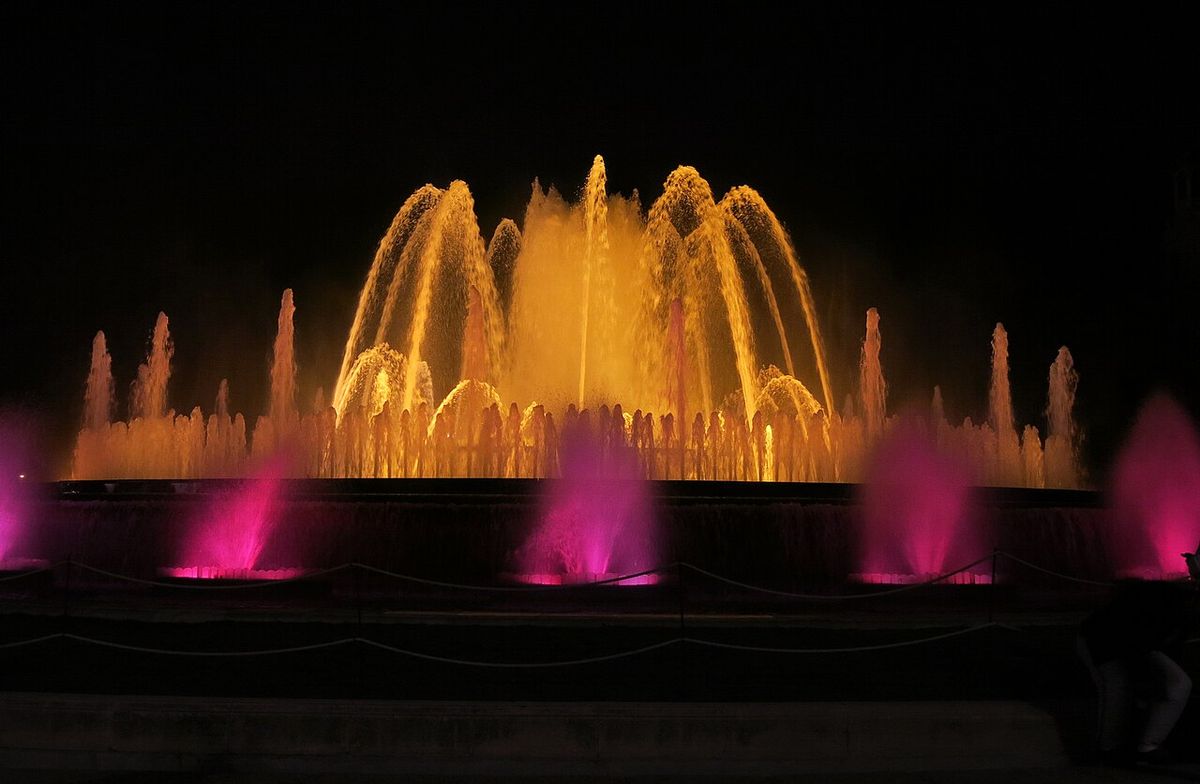
Photo: Enric · CC BY-SA 4.0
A free evening show of water, light and music below the MNAC.
A Barcelona tradition since the 1929 International Exhibition, loved by locals and visitors alike.
Local tip: Shows run on set evenings and can pause for maintenance or drought — always check the schedule first.
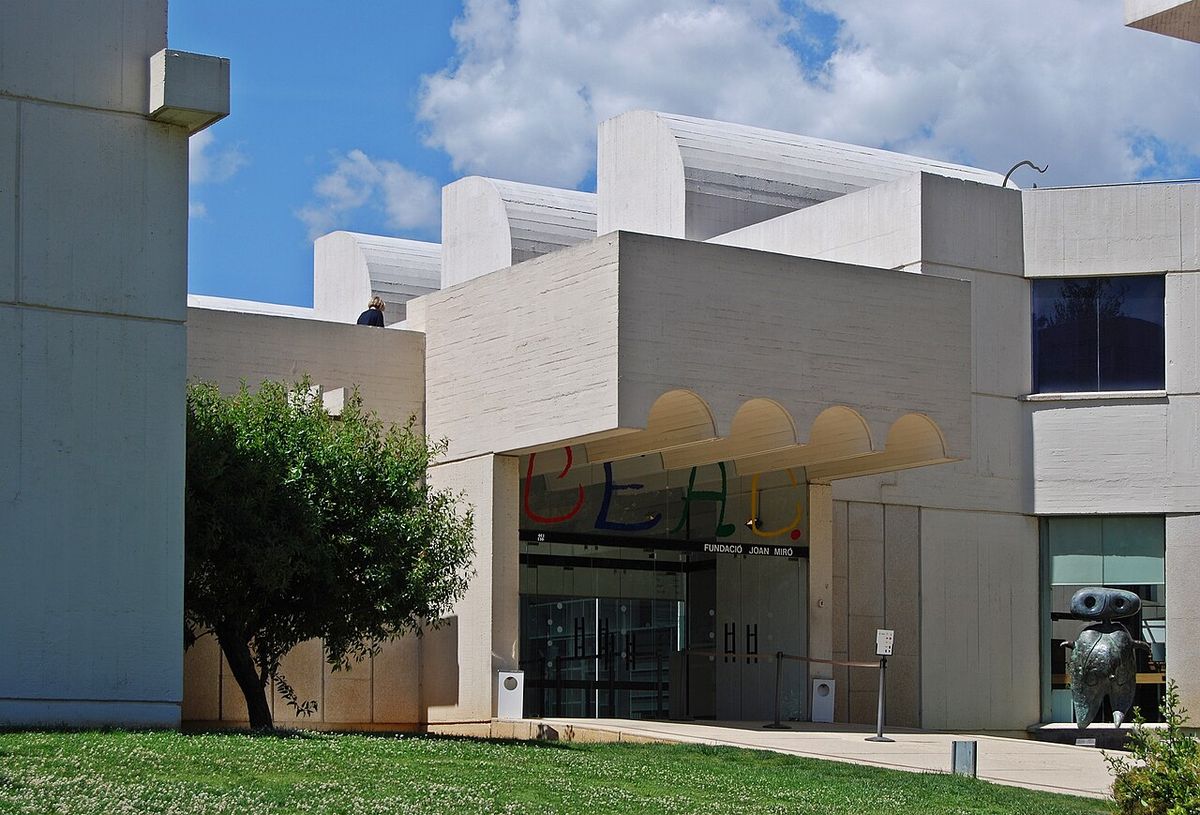
Photo: Felix König · CC BY 3.0
Miró's bright, playful art in a light-filled building he helped design.
One of the most joyful museums in Europe, with a rooftop sculpture terrace and views over the city.
Local tip: Combine with the Montjuïc gardens and the funicular from Paral·lel.
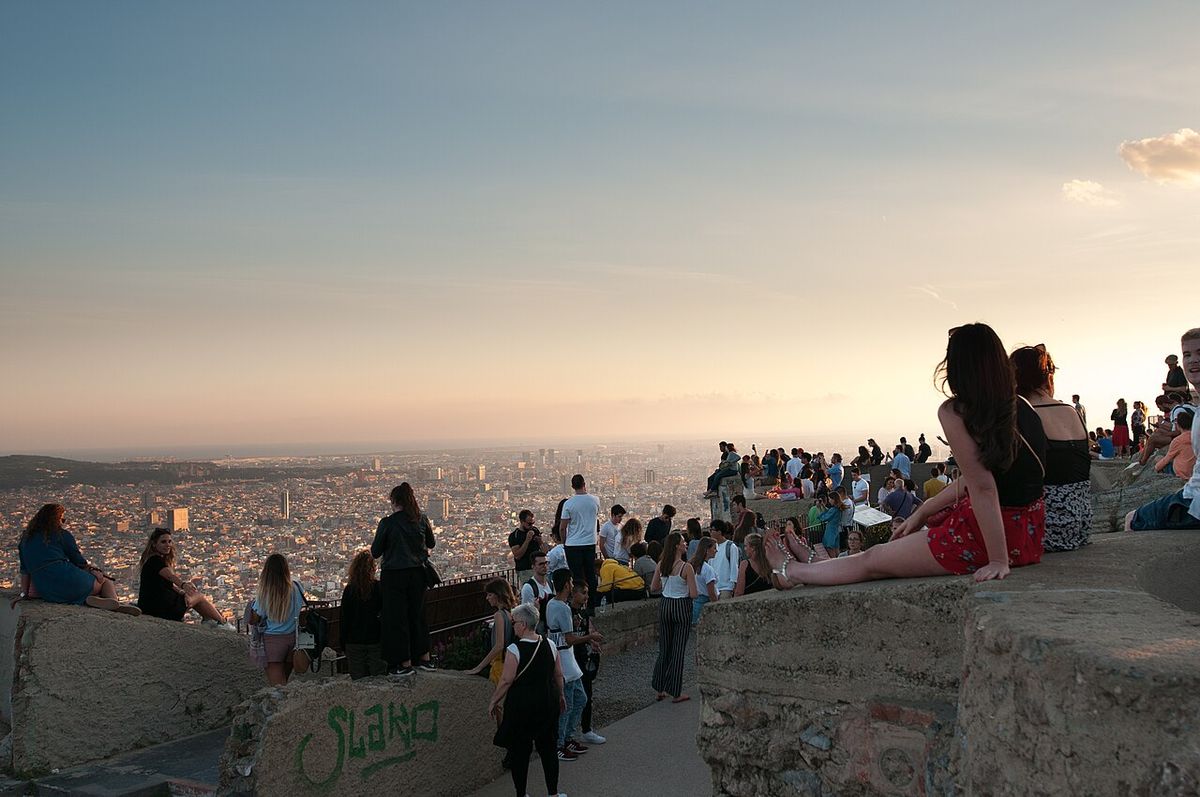
Photo: Barcelonatips · CC BY-SA 4.0
A former anti-aircraft battery with a 360° view over the whole city.
The best free viewpoint in Barcelona — the Sagrada Família, the sea and the mountains all at once.
Local tip: Go for sunset, keep noise down for the neighbours, and check current access times.
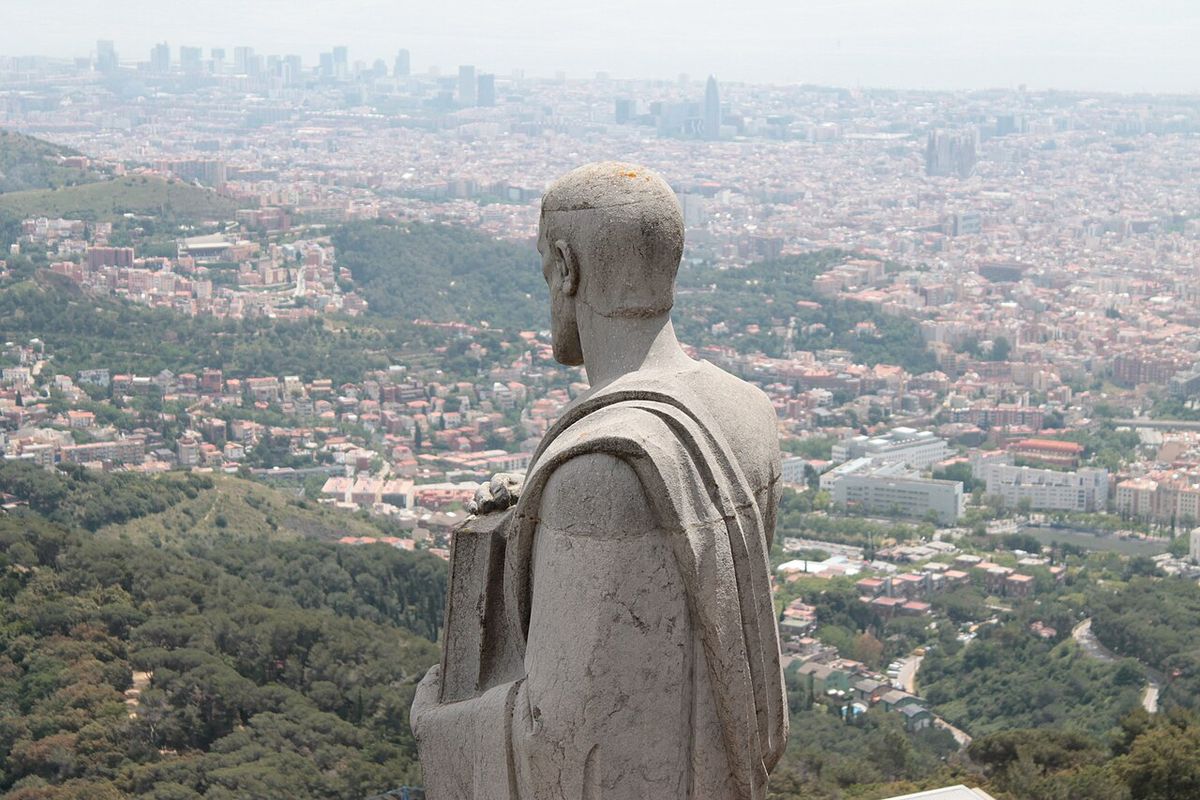
Photo: John Samuel · CC BY-SA 4.0
The city's highest peak, topped by a church and a vintage amusement park.
On a clear day the view takes in the whole city and coastline; the century-old funfair is pure nostalgia.
Local tip: Get there by FGC train, then bus or tram and the funicular — part of the fun.
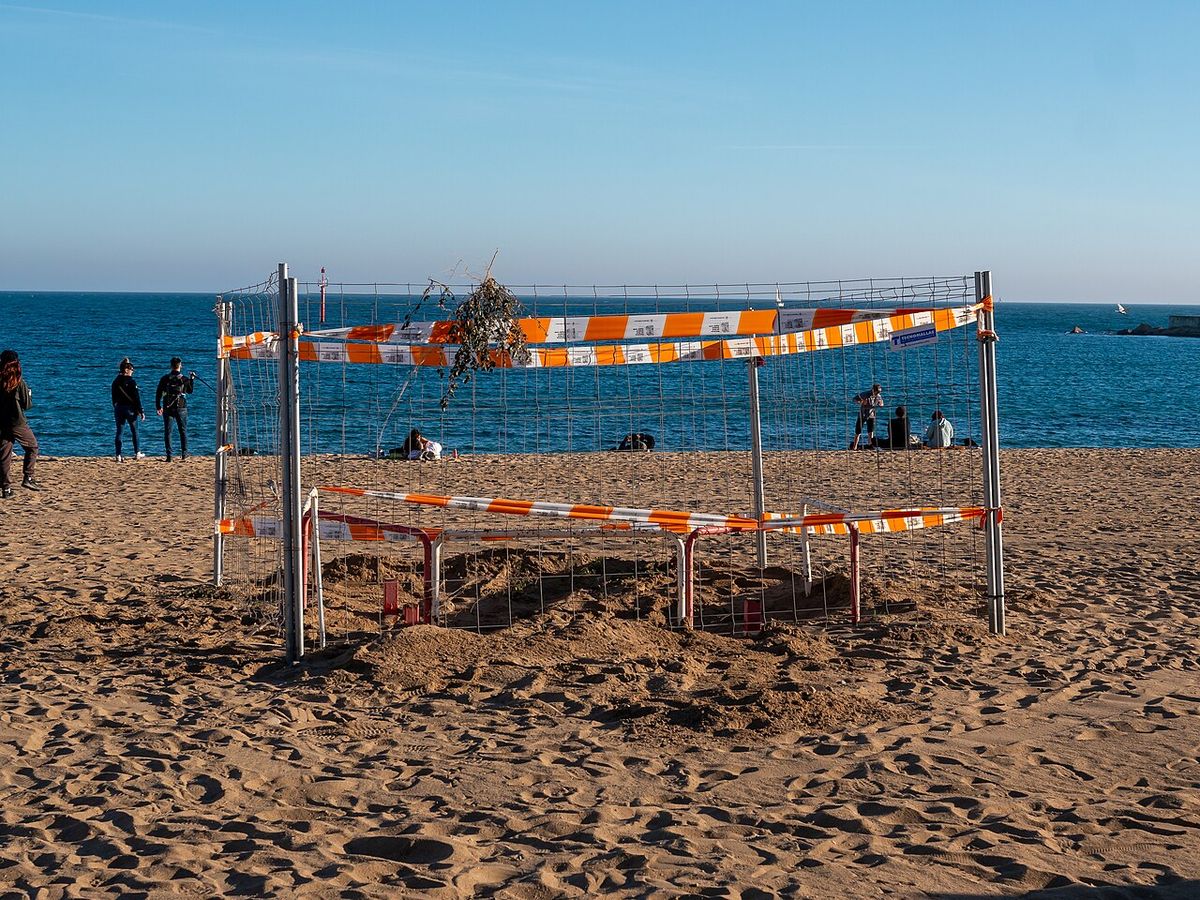
Photo: Matti Blume · CC BY-SA 4.0
Kilometres of sand a metro ride from the centre.
Sun, seafood and beach bars in the old fishermen's quarter — then quieter beaches like Bogatell to the east.
Local tip: Never leave bags unattended, and walk east for more space.
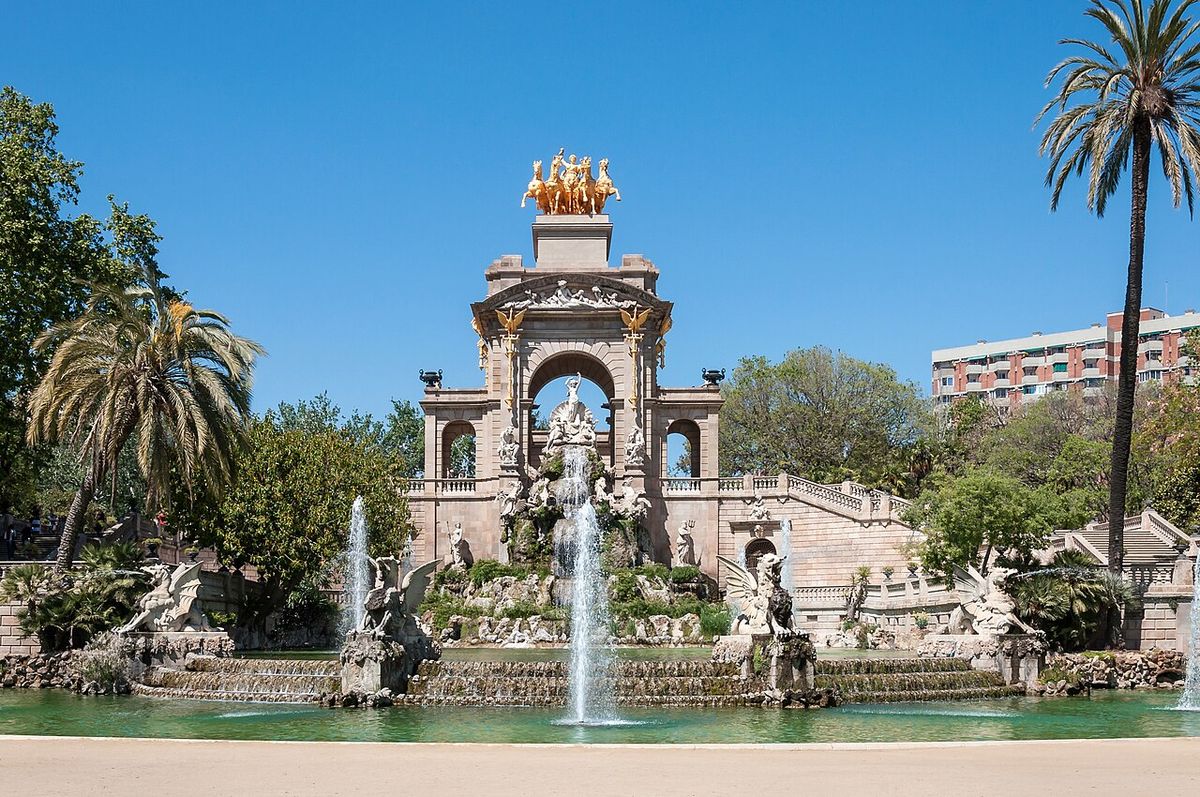
Photo: Isiwal · CC BY-SA 3.0
The city's central park, with a boating lake and the monumental Cascada fountain.
Barcelona at leisure: picnics, musicians and jugglers, with the Arc de Triomf promenade at its entrance.
Local tip: Enter via the Arc de Triomf and Passeig de Lluís Companys for the full effect.
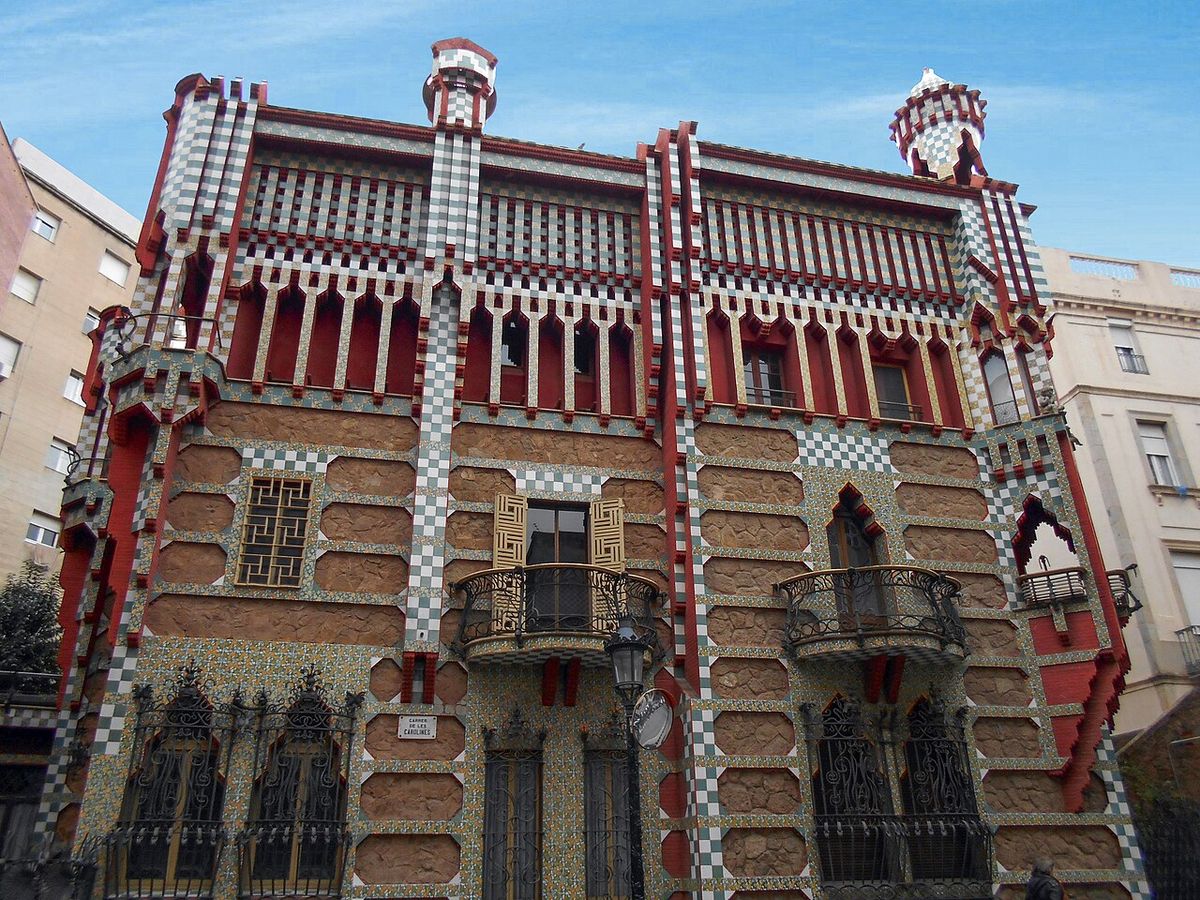
Photo: Canaan · CC BY-SA 4.0
Gaudí's first house: a colourful, tiled summer home full of Moorish influence.
You can see the young Gaudí finding his style — and it's far less crowded than his later works.
Local tip: Combine with a wander through Gràcia's squares.
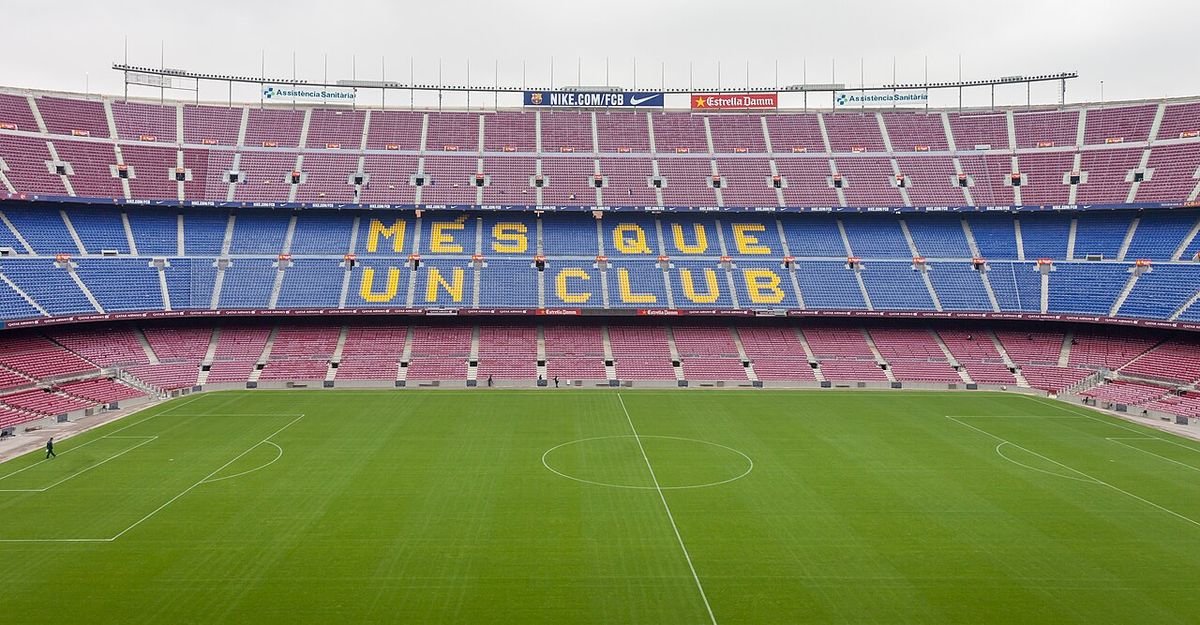
Home of FC Barcelona and one of the largest football stadiums in the world.
A pilgrimage for football fans — on match day the atmosphere is electric, and the museum tells the story of the club.
Local tip: Buy match and tour tickets only through the official club website. See upcoming home games on What's on.
Keep planning
Top picks
Gaudí, markets, viewpoints and beach bars — the essentials, plus the local favourites tourists miss.
10 min read
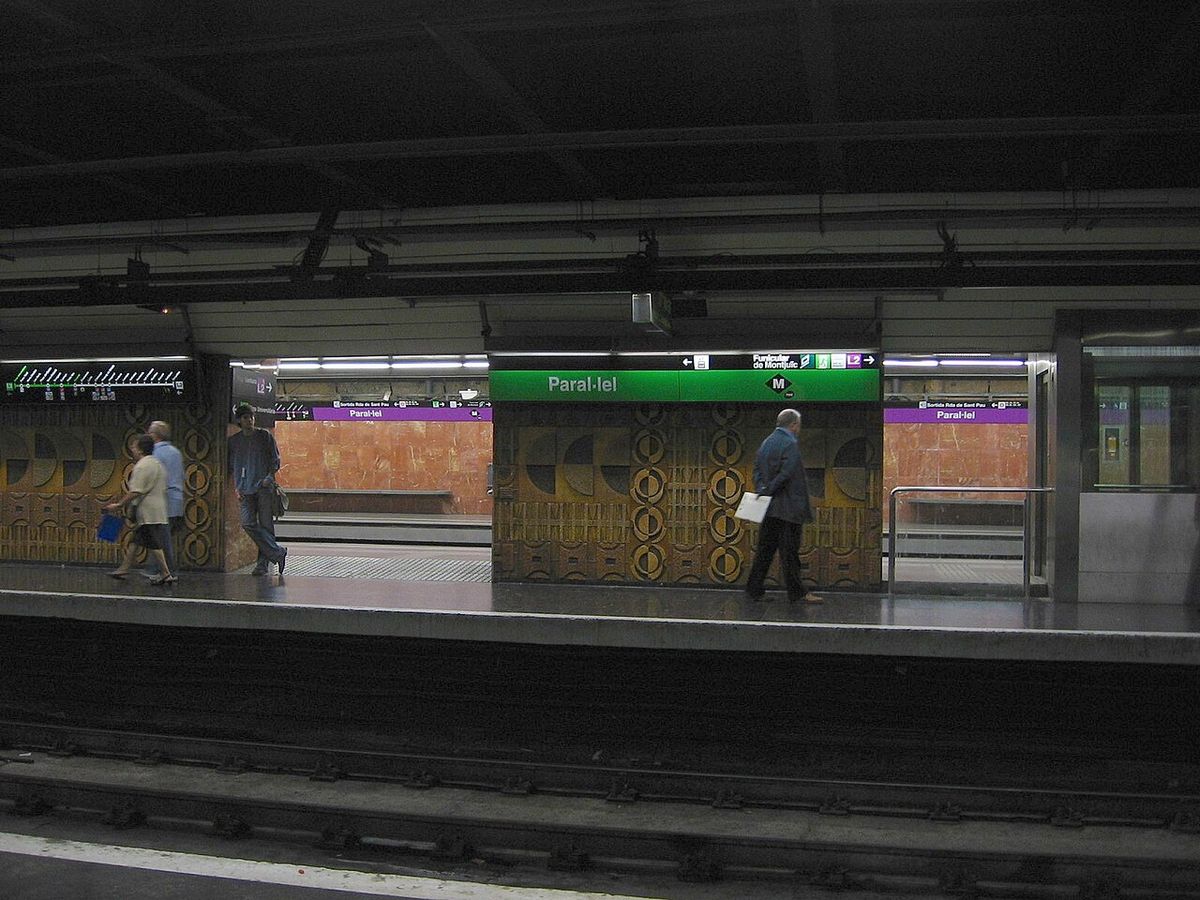
Practical
Airport transfers, the right metro ticket, taxis and why walking is often fastest.
7 min read
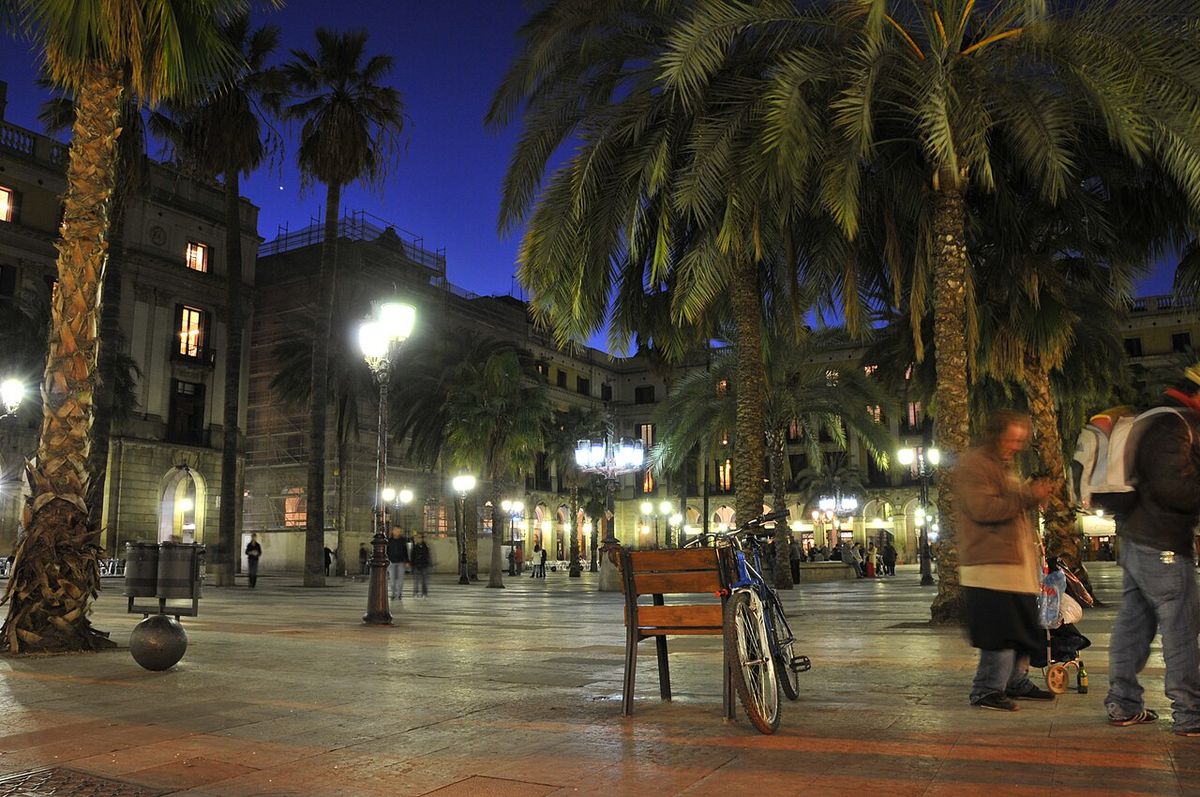
Where to stay
Party, social, quiet or by the beach — the best hostels for every kind of traveller.
6 min read
For businesses
Visitors planning a trip, newcomers settling in and thousands of English-speaking residents use our guides and communities. Put your restaurant, bar, clinic, school or service in front of them.