Start here · Visiting Barcelona
Barcelona for first-timers: everything you need to know
Planning your first trip to Barcelona? When to go, how long to stay, where to base yourself, tipping, safety and the mistakes most visitors make.
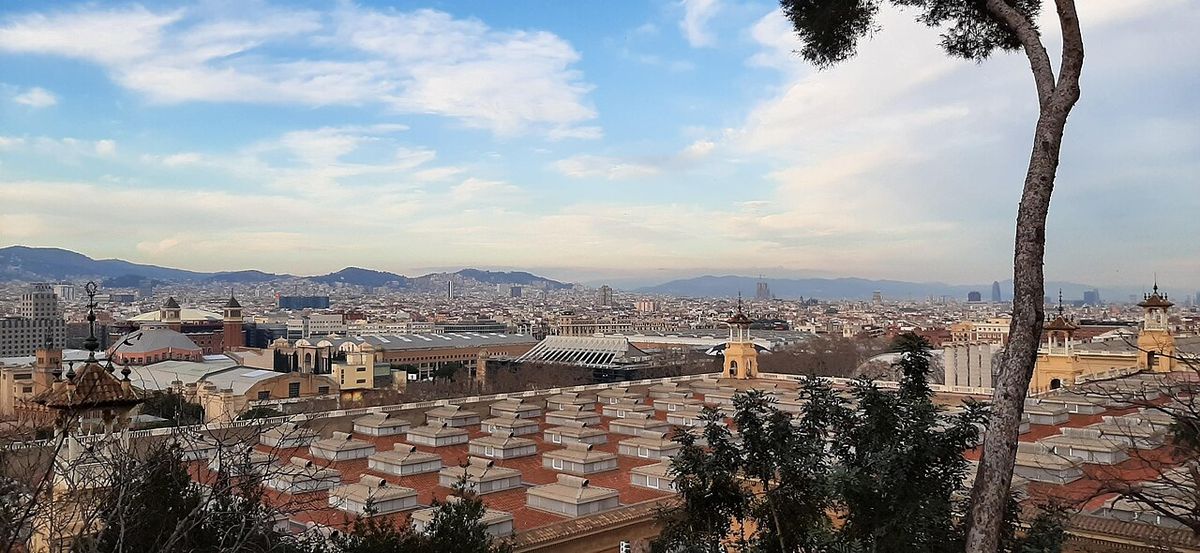
Photo: SGDWN · CC BY-SA 4.0
Barcelona rewards a little planning. The big sights sell out, dinner starts later than you think and the best neighbourhoods aren't always the ones closest to La Rambla. This guide covers what first-time visitors most often wish they'd known before they arrived.
When to go
Late spring (May–June) and early autumn (September–October) are the sweet spots: warm enough for the beach, without the peak-summer crowds and heat. September also brings La Mercè, the city's biggest festival.
- July and August are hot, humid and busy. Many locals leave in August and some family-run restaurants close for a few weeks.
- Winter is mild and sunny more often than not — great for museums and walking, though too cool for most people to swim.
- Easter and long weekends push hotel prices up. Book early if your dates are fixed.
How long to stay
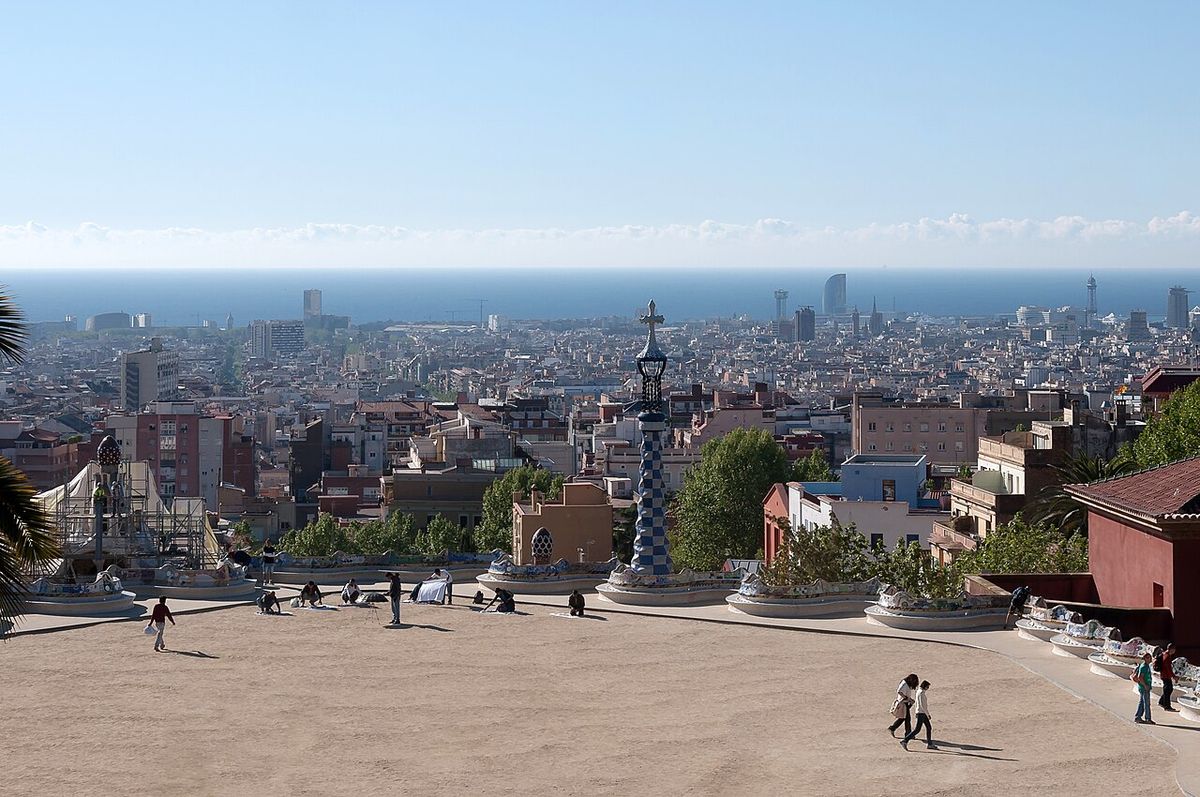
Three full days covers the highlights: one day for Gaudí (the Sagrada Família and Park Güell), one for the old town (the Gothic Quarter and El Born) and one for Montjuïc or the beach. With five days you can slow down, explore Gràcia and add a day trip to Montserrat, Sitges or Girona.
Where to stay
Barcelona is compact and the metro is excellent, so you don't need to be on top of the sights. Choose the atmosphere you want:
- Eixample — central, elegant and well connected. The safest all-round choice for a first visit.
- El Born and the Gothic Quarter — medieval lanes on your doorstep, but noisier at night.
- Gràcia — village feel, local squares and independent shops, a short metro ride from the centre.
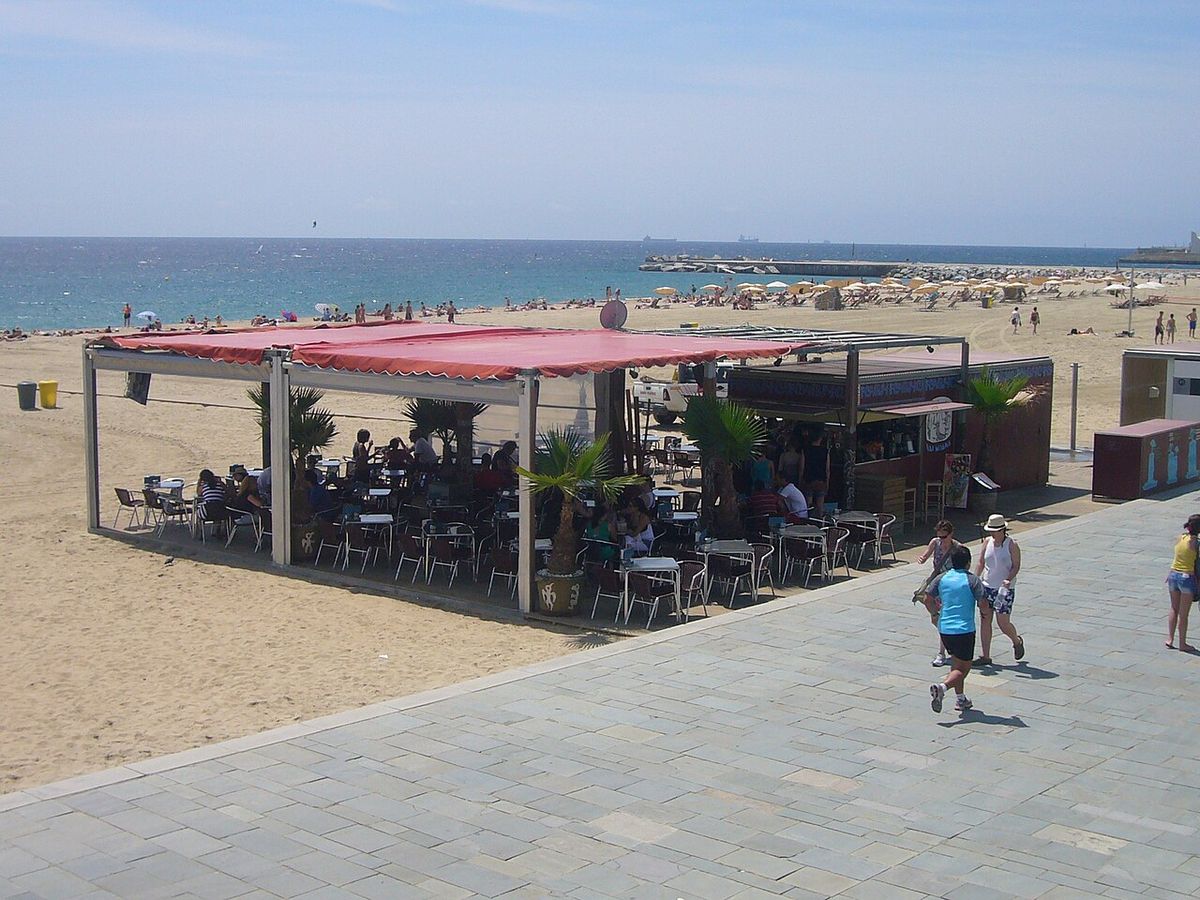
- Poblenou — quieter, close to the best city beaches, popular with longer stays.
What to book ahead
The headline Gaudí sites use timed tickets and regularly sell out, especially in summer. Book these online, directly with the official sites where possible:
- Sagrada Família — book days (or weeks) ahead in high season. Tower access is a separate, limited ticket.
- Park Güell — the monumental zone needs a timed ticket; the surrounding park is free to wander.
- Casa Batlló and La Pedrera (Casa Milà) — pick one if you're short on time; both are on Passeig de Gràcia.
- Camp Nou / FC Barcelona — match tickets and stadium tours sell quickly for big games.
Be wary of resellers on street corners and unofficial websites charging large mark-ups.
Getting used to the local rhythm
Barcelona runs late. Lunch is usually between 1:30 and 3:30pm, and dinner rarely starts before 8:30 or 9pm. Many restaurants in residential areas don't open their kitchens for dinner until 8pm. Do as the locals do: have a long lunch (the menú del día is great value) and a light dinner of tapas.
Smaller shops may close for a few hours in the afternoon, and on Sundays most shops outside the tourist centre are shut.
Language: Catalan, Spanish and English
Barcelona is bilingual in Catalan and Spanish. Signs, menus and announcements are often in Catalan first. In the centre you'll get by in English almost everywhere, but a few words go a long way: hola or bon dia (hello / good morning), gràcies (thank you), si us plau (please). Locals genuinely appreciate the effort.
Staying safe: pickpockets
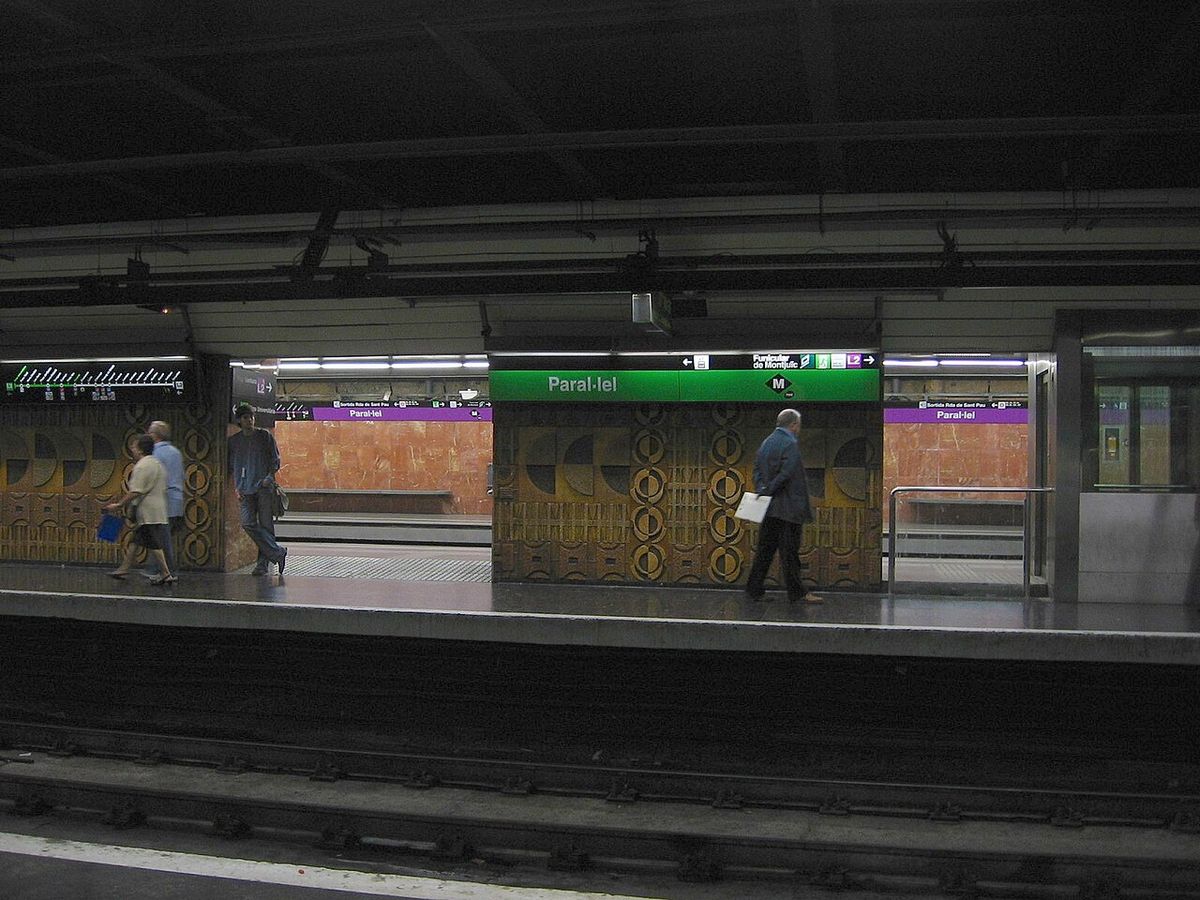
Barcelona is a safe city for violent crime, but pickpocketing is common in crowded places: La Rambla, the metro (especially lines L3 and L5 around the centre), the beach and the airport train.
- Keep your phone in a front pocket or zipped bag — never on a café table.
- Be sceptical of strangers who ask for directions, spill something on you or offer to help.
- At the beach, don't leave bags unattended while you swim.
In an emergency, call 112 — operators can usually help in English.
Money and tipping
Cards (including contactless and phone payments) are accepted almost everywhere. Tipping isn't expected the way it is in the US: rounding up or leaving 5–10% for good service at a sit-down meal is generous. Hotels charge a city tourist tax per person per night, usually paid on arrival.
Common first-timer mistakes
- Eating on La Rambla. Walk five minutes in any direction and the quality goes up while the prices come down.
- Turning up at the Sagrada Família without a ticket.
- Over-scheduling. Leave time for a long lunch and an evening stroll — it's the Barcelona way.
- Wearing swimwear away from the beach. It's frowned upon in the city and you can be fined.
- Only seeing the centre. Gràcia, Sant Antoni and Poblenou show you how the city really lives.
Next steps
Now pick your sights from our list of the best things to do in Barcelona, read up on getting around, and check what's on during your stay — there are English-language meetups most weeks that visitors are welcome to join.