Relocation · Living in Barcelona
Moving to Barcelona: the practical guide
Visas, NIE, the padró, healthcare, finding a flat and avoiding rental scams — a step-by-step guide to moving to Barcelona for English speakers.
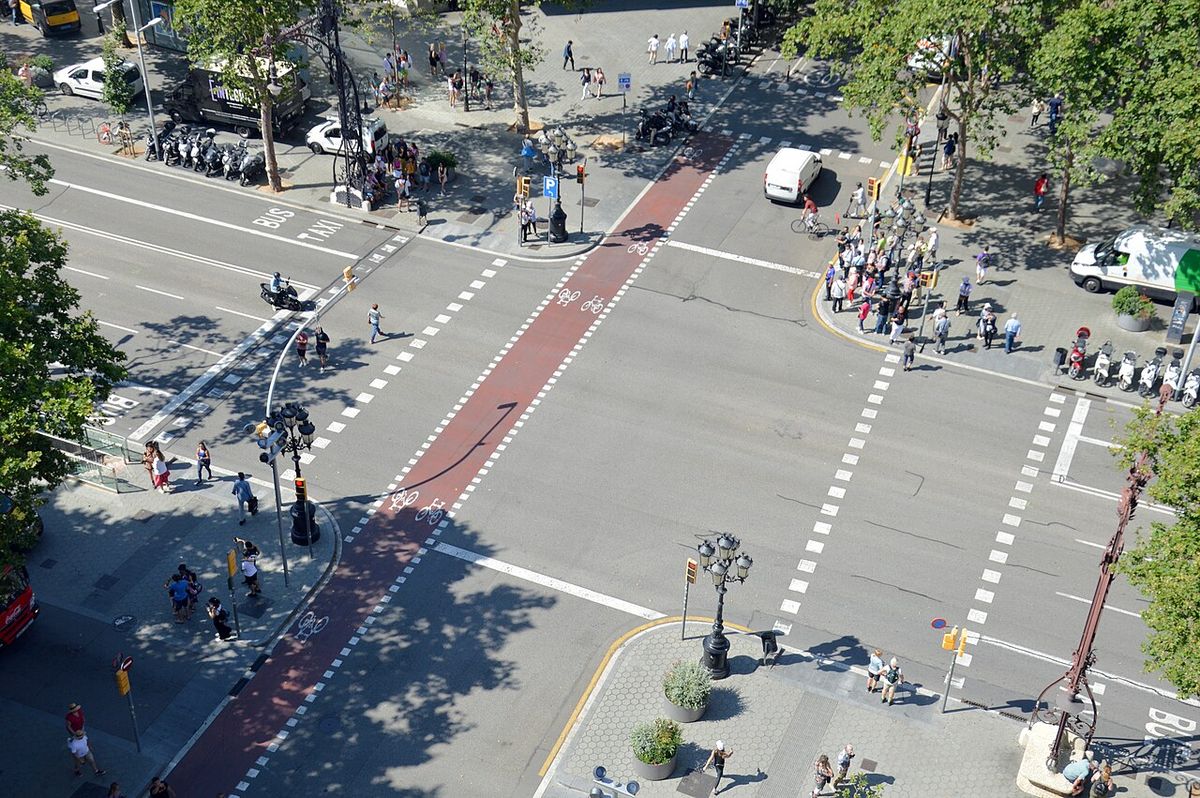
Photo: Jmatazzoni · CC BY-SA 4.0
Barcelona draws people from all over the world with its climate, coastline and quality of life. The paperwork can be slow and the flat hunt competitive, but thousands of English speakers do it every year. This is the order to tackle things in.
This is general information, not legal or tax advice. Rules change and depend on your nationality — always check official sources, and consider a gestor or lawyer for anything complex.
Do you need a visa?
- EU/EEA and Swiss citizens (including Irish citizens) can live and work in Spain freely. If you stay more than three months, you register as a resident.
- Everyone else — including people from the UK, the US, Canada and Australia — generally needs a visa to stay longer than 90 days. Common routes include work visas, student visas, the non-lucrative visa (for people with independent income) and the digital nomad visa for remote workers.
Apply through the Spanish consulate in your home country for most visas, and start early — appointments and processing can take months.
NIE and residency
Your NIE (número de identidad de extranjero) is your foreigner's identification number. You'll need it to sign a work contract, open a bank account, rent a flat and set up utilities. EU citizens receive it with their registration certificate; non-EU residents get it with their residence card (TIE).
Appointments (cita previa) in Barcelona are notoriously hard to get. Check the official booking system often — new slots appear at odd times — or use a gestor.
The padró (registering your address)
Registering your address with Barcelona City Council — empadronamiento, or the padró — is a separate step. You need it for your public health card, school places and many other procedures, so do it as soon as you have a rental contract.
Healthcare
Once you're working and paying social security (or otherwise covered), you can register at your local health centre (CAP) and get your Catalan health card (targeta sanitària individual). Public care is good, but don't count on English. Many residents also take out private health insurance — required for some visas — which makes it easier to find English-speaking doctors.
Finding a flat
- Start online on Idealista, Fotocasa and Habitaclia. Good flats go fast — be ready to view and decide quickly.
- Expect to show proof of income, an employment contract and ID. A deposit (fianza) is standard, and some landlords ask for extra guarantees.
- Agency fees on long-term residential rentals should be paid by the landlord, not the tenant, under Spain's 2023 housing law.
- Get the contract checked before you sign — it'll be in Spanish or Catalan.
- Temporary rentals (furnished, for months rather than years) are a common first step while you look.
Avoiding rental scams
Never transfer money for a flat you haven't seen, to a landlord you haven't met, without a contract. "I'm abroad, send the deposit and I'll post you the keys" is a classic scam. Facebook groups are useful, but they're also where most scams appear.
Choosing a neighbourhood
Gràcia and Sant Antoni are lively and local; Poblenou is close to the beach and the tech scene; Eixample is central and well connected; Sant Gervasi and Sarrià are quieter and popular with families. Explore the neighbourhood guides →
Banking, phones and tax
- Banking: many people use a digital bank at first, then open a Spanish account once they have an NIE.
- Phone: a Spanish SIM is cheap and avoids roaming limits.
- Tax: you generally become tax resident after 183 days in Spain in a calendar year. Get professional advice, especially if you work remotely for a foreign employer.
Language
You can live in Barcelona in English, but paperwork, public healthcare and neighbourhood life are much easier with some Spanish — and a few words of Catalan earn real goodwill. Barcelona English Speakers has a good guide to living in Barcelona without fluent Spanish and where to learn Spanish and Catalan.
Build your social life early
The paperwork sorts itself out eventually; loneliness is what makes people leave. Start meeting people in your first week, even before your NIE appointment. How to meet people in Barcelona →